Qui va sortir amb Noe Itō?
Sakae Ōsugi data de Noe Itō de ? fins a ?. La diferència d'edat era de 10 anys, 0 mesos i 4 dies.
Jun Tsuji data de Noe Itō de ? fins a ?. La diferència d'edat era de 10 anys, 3 mesos i 17 dies.
Noe Itō
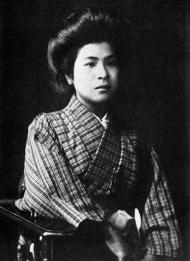
Noe Itō (japonès: 伊藤 野枝, Itō Noe; Imajuku, districte d'Itoshima, avui dins de Nishi-ku, a la ciutat de Fukuoka, prefectura de Fukuoka, 21 de gener de 1895-Tòquio, 16 de setembre de 1923) fou una escriptora, feminista i anarquista japonesa morta durant l'incident d'Amakasu, juntament amb la seva parella Sakae Ōsugi i el seu nebot de sis anys, Munekazu Tachibana.
llegir més...Sakae Ōsugi
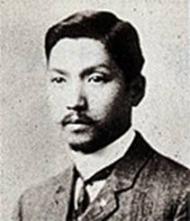
Sakae Ōsugi (en japonès: 大杉 栄, Ōsugi Sakae) (Marugame, Prefectura de Kagawa, 17 de gener de 1885 - Tòquio, 16 de setembre de 1923) va ser un anarquista i esperantista japonès.
llegir més...Noe Itō
Jun Tsuji
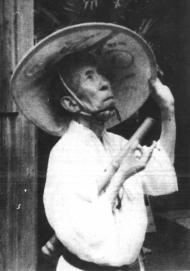
Tsuji Jun (辻 潤, Tsuji Jun; October 4, 1884 – November 24, 1944) was a Japanese author: a poet, essayist, playwright, and translator. He has also been described as a Dadaist, nihilist, Epicurean, shakuhachi musician, actor and bohemian. He translated Max Stirner's The Ego and Its Own and Cesare Lombroso's The Man of Genius into Japanese.
Born in Tōkyō, Tsuji sought escape in literature from a childhood he described as "nothing but destitution, hardship, and a series of traumatizing difficulties". He became interested in the works of Tolstoy, Kōtoku Shūsui's socialist anarchism, and the literature of Oscar Wilde and Voltaire, among many others. Later, in 1920 Tsuji was introduced to Dada and became a self-proclaimed first Dadaist of Japan, a title also claimed by Tsuji's contemporary, Shinkichi Takahashi. Tsuji became a fervent proponent of Stirnerite egoist anarchism, which would become a point of contention between himself and Takahashi. He wrote one of the prologues for famed feminist poet Hayashi Fumiko's 1929 (I Saw a Pale Horse (蒼馬を見たり, Ao Uma wo Mitari) and was active in the radical artistic circles of his time.
llegir més...