Qui va sortir amb comtessa de Thoury?
Francesc I de França data de comtessa de Thoury de ? fins a ?.
comtessa de Thoury
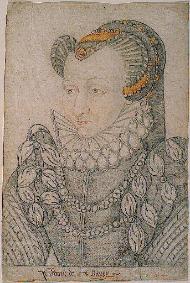
La comtessa de Thoury va ser una de les nombroses amants del rei Francesc I de França. Procedia d'una gran casa de la Nièvre i de l'Allier: la Casa de Thoury. Aquesta maca i rica comtessa del Nivernais fou convidada pel rei a reunir-se amb ell a la cort francesa cap a 1510. Molt enamorat, Francesc I li donà una propietat amb el seu nom: Thoury i el títol de comtessa del lloc. Però feu sobretot construir el molt cèlebre castell de Chambord per tal d'acostar-se a la comtessa. Les armes de la comtessa figuren al castell.
llegir més...Francesc I de França

Francis I (French: François Ier; Middle French: Françoys; 12 September 1494 – 31 March 1547) was King of France from 1515 until his death in 1547. He was the son of Charles, Count of Angoulême, and Louise of Savoy. He succeeded his first cousin once removed and father-in-law Louis XII, who died without a legitimate son.
A prodigious patron of the arts, Francis promoted the emergent French Renaissance by attracting many Italian artists to work for him, including Leonardo da Vinci, who brought the Mona Lisa, which Francis had acquired. Francis's reign saw important cultural changes with the growth of central power in France, the spread of humanism and Protestantism, and the beginning of French exploration of the New World. Jacques Cartier and others claimed lands in the Americas for France and paved the way for the expansion of the first French colonial empire.
For his role in the development and promotion of the French language, Francis became known as le Père et Restaurateur des Lettres (the 'Father and Restorer of Letters'). He was also known as François au Grand Nez ('Francis of the Large Nose'), the Grand Colas, and the Roi-Chevalier (the 'Knight-King').
In keeping with his predecessors, Francis continued the Italian Wars. The succession of his great rival Emperor Charles V to the Habsburg Netherlands and the throne of Spain, followed by the election of Charles as Holy Roman Emperor, led to France being geographically encircled by the Habsburg monarchy. In his struggle against Imperial hegemony, Francis sought the support of Henry VIII of England at the Field of the Cloth of Gold. When this was unsuccessful, he formed a Franco-Ottoman alliance with the Muslim sultan Suleiman the Magnificent, a controversial move for a Christian king at the time.
llegir més...